
How to spot a clone vs authentic NanoVNA
Because early NanoVNA designs were open-source, the market was quickly flooded with cheap replicas. While some early variants were acceptable, today's market is filled with badly engineered clones that cut corners on critical RF components, resulting in noisy traces, terrible dynamic range, and unreliable devices.
If you are measuring antennas or tuning duplexers, you need equipment you can trust. This guide will help you identify an authentic NanoRFE device and explain why avoiding fakes is crucial for accurate measurements.
The problem with NanoVNA clones
When clone manufacturers reverse-engineer our hardware, their primary goal is reducing the bill of materials (BOM) cost. They do not test for RF performance. Here is what you lose when you buy a clone:
- Missing RF Shielding: Authentic NanoVNA V2 Plus4 and VNA6000 models use aluminum enclosures and internal RF shielding. Clones often use cheap plastic cases or leave off the internal metal shields entirely, meaning your measurements will be ruined by local FM stations or hand capacitance.
- Noisy Power Supplies: A vector network analyzer needs incredibly clean power. Clones frequently swap out high-end low-noise regulators for generic voltage regulators. This raises the noise floor significantly, ruining your dynamic range at higher frequencies.
- Manipulated Firmware & Fake Dynamic Range: Clone makers often alter our firmware to accommodate their cheaper substitute components, but many go a step further to actively deceive buyers. To mask the high noise floor of their hardware, some clones use modified firmware that artificially drops the displayed measurement when a signal falls below a certain threshold. This deceptive trick allows them to advertise a falsely inflated dynamic range, but it introduces severe measurement errors and hides your real RF data. Additionally, because of these hardware and firmware deviations, you cannot safely update a clone using official NanoRFE firmware without bricking the device.
- False Frequency Claims & Harmonics Issues: Many clones on AliExpress or Amazon claim "up to 3GHz" or "6GHz". Some NanoVNA clones use harmonics to exaggerate the frequency range, which gives wrong measurements because the strong fundamental signal at the receiver creates interference at the harmonic frequency, giving a stable but incorrect measurement. The lack of shielding and cheap harmonics generation means the data past 1.5GHz is entirely noise.
Measurement Comparisons
Several users have tested clones of the NanoVNA V2 design, and we have checked out a few clones ourselves. The clones are based on earlier designs intended for either 1GHz or 3GHz, and some have tried to extend the frequency range using harmonics without understanding the design. Furthermore, none of the clone sellers seem to understand the role of the high-frequency components and have substituted generic parts, which worsens the trace noise noticeably.
The performance of the NanoVNA V2.2 clones starts to degrade before 2GHz, and would not have passed our standard QC requirements for the earliest 3GHz V2.2 version:
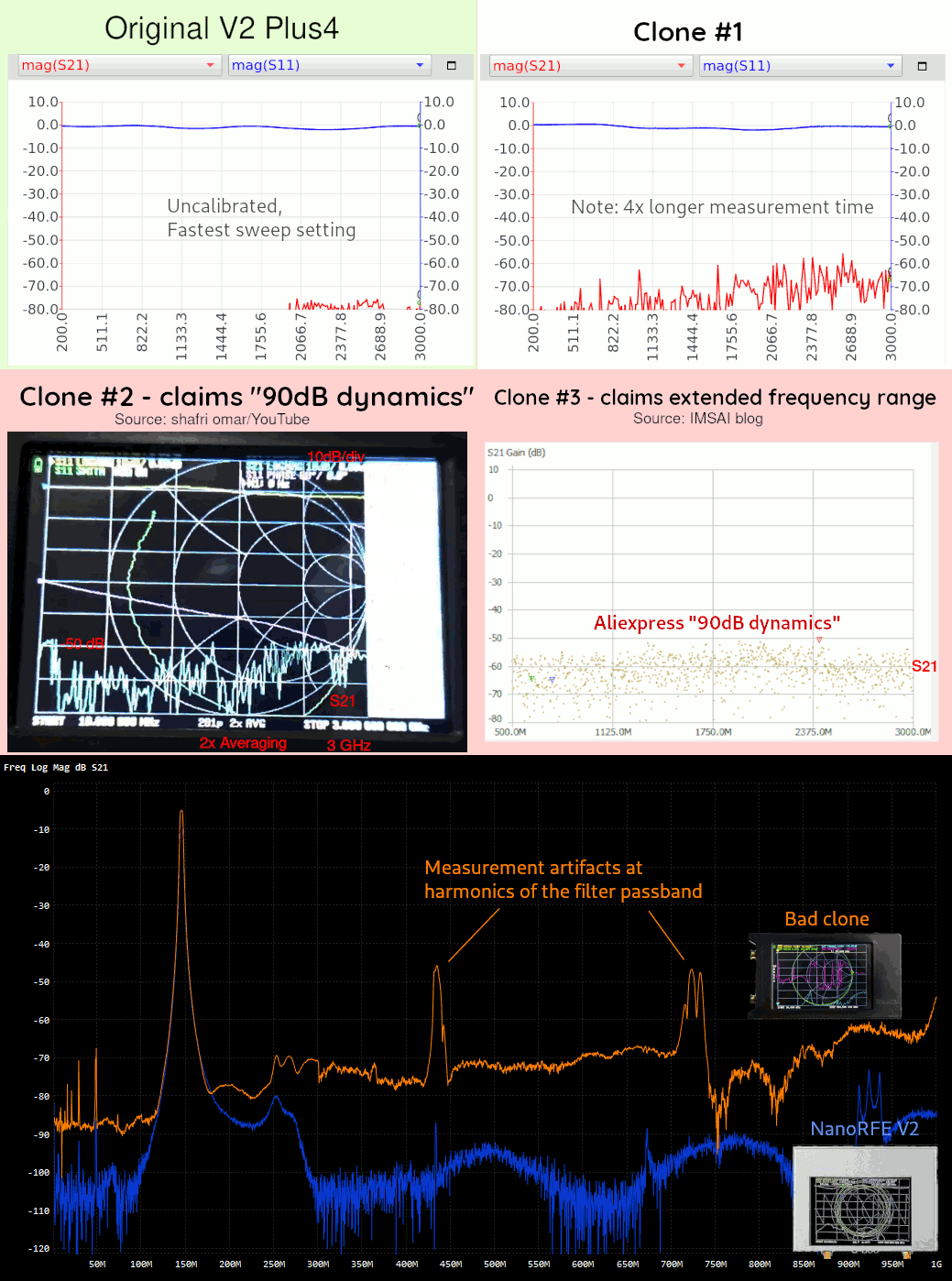
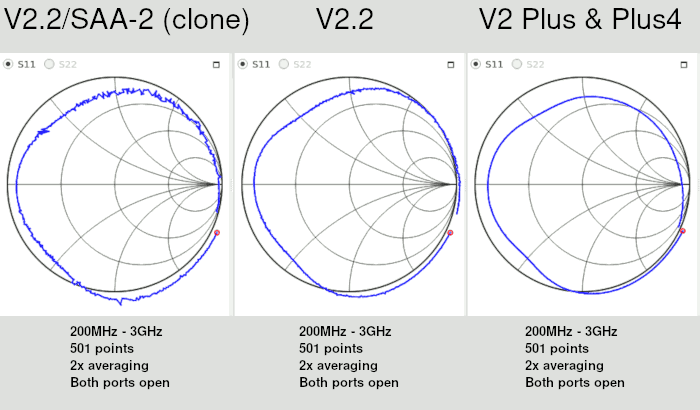
Above: Uncalibrated plots showing the amount of noise in the raw data from the hardware.
These clones are sold under various names, some advertising higher specs than others. Be aware that regardless of advertised specs they are all the same inferior hardware. All clones are based on the older V2.2 design, which if replicated well can only reach 60dB dynamic range @ 3GHz. Any clones advertising higher performance are exaggerating the specifications and likely perform worse.
How to spot a fake NanoVNA
It can be difficult to tell a real unit from a fake just by looking at a seller's thumbnail, but counterfeiters usually leave behind several obvious red flags. Here is exactly what you should look for before clicking "Buy."
1. Look for the NanoRFE® Registered Trademark
NanoRFE is a registered trademark, so a product listing advertising a NanoRFE NanoVNA is likely to be authentic.
2. Identify Authentic Models (What to look for)
Authentic NanoRFE devices have distinct, high-quality anodized aluminum enclosures designed specifically for RF shielding. When browsing, look for the exact names NanoVNA V2 Plus4, V2 Plus4 Pro, or VNA6000.
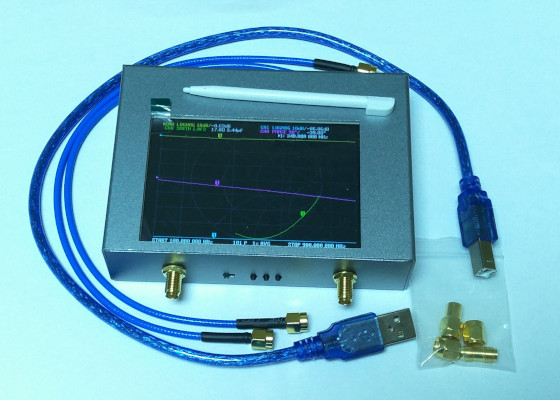
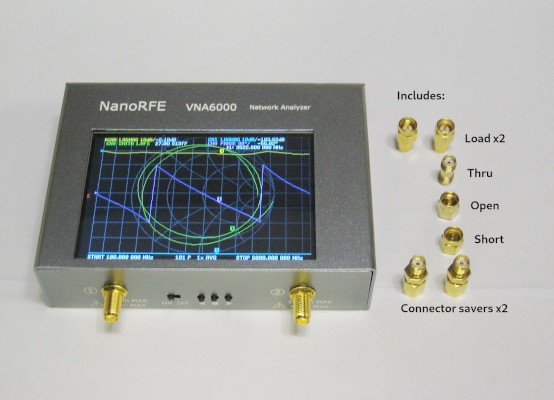
Above: Authentic NanoRFE NanoVNA models feature aluminum shielding and ports at the bottom side. VNA6000 versions have the NanoRFE logo printed on the enclosure.
3. Avoid known clone models (What to avoid)
If a device looks like cheap plastic, uses painted metal instead of anodized, or is listed under generic names, it is a clone. Avoid anything labeled simply as "SAA-2N", "SAA-V2", "T***VNA", or "L***VNA".
⚠️ Common Clone Examples
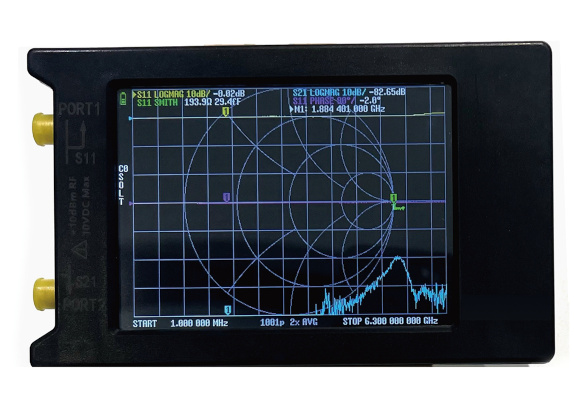
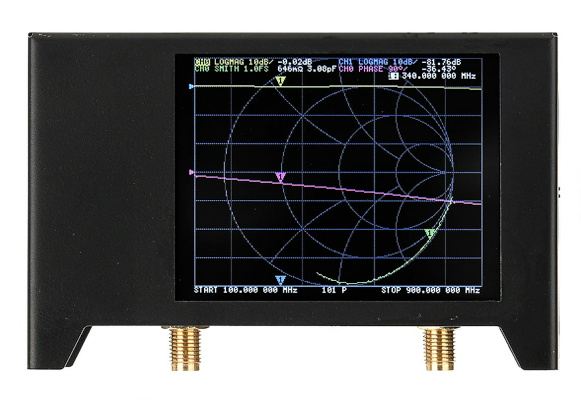
Above: Notice the wrong position of RF connectors, and plastic or painted steel enclosures. These models suffer from terrible dynamic range and cannot be safely updated.
⚠️ Misleading Websites & Unauthorized Sellers
Beware that nanovna .com is not owned by the original developers of either V1 or V2 NanoVNAs, and is being used to mislead users into buying clones from one clone manufacturer. These clones are not supported by any updates from the developers, and violate the license conditions of our V2.2 design.
Note on Zeenko: Zeenko is not an authorized seller, and is using our design without permission after being asked not to several times by the original developers, while also violating the license on our original V2.2 design. These clones exaggerate specifications by pushing components beyond datasheet limits. Please note that V2/S-A-A-2 is an entirely original from scratch design by HCXQS/NanoRFE (formerly OwOComm), and Zeenko had zero involvement in its development.
The following stores have sold at least one bad clone:
- Banggood
- Eleshop
- R&L electronics - still selling clones despite being asked not to by the original developers
4. Check the links in the product listing
This is the most foolproof way to check for authenticity on sites like Amazon, AliExpress, or eBay. Read the seller's product description carefully.
✔️ Authentic Listings: Sellers of genuine hardware will explicitly direct you to nanorfe.com for official firmware updates, software downloads, and documentation.
❌ Clone Listings: Clone sellers will point you to random Google Drive folders, Baidu Dropboxes, sketchy third-party websites, or explicitly tell you "Do not update the firmware!" (because doing so will brick their counterfeit hardware).
Why the original architecture matters
When you purchase an authentic NanoVNA V2 or VNA6000, you are supporting the engineers who actually wrote the code and designed the RF paths. We spent months optimizing the PCB layout to eliminate crosstalk between the TX and RX channels.
For example, measuring a high-isolation duplexer requires a dynamic range of at least 80dB to clearly see the notch depth. An authentic NanoRFE unit delivers this. A clone with a noisy trace will flatten out at 40dB, making it physically impossible to tune your duplexer correctly.
Tip: Checking Your Firmware
If you already own a device and aren't sure if it's authentic, check the boot screen or the Config > Version menu. Authentic devices will reference the official NanoRFE website. If you attempt to flash our latest firmware onto a clone, you will likely get a white screen due to mismatched display drivers used by counterfeiters.
Where to buy an authentic NanoVNA
The safest way to ensure you are getting original hardware with genuine after-sales support is to buy directly from our authorized stores. Avoid random third-party sellers offering prices that seem "too good to be true."
- Official NanoRFE Store - Direct from the developers.
- Official Tindie Store (HCXQS Group)
Note: If you purchase a clone from an unauthorized seller on Amazon, AliExpress, or eBay, we cannot provide technical support or warranty repairs. Please contact your seller directly for a refund if you were misled.